

Trusted Plastic Surgeon in Baltimore
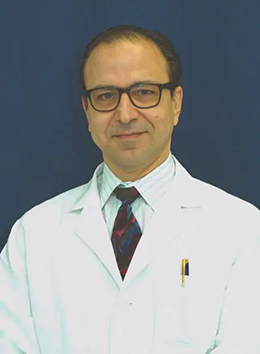
Dr. Ricardo L. Rodriguez
Board-Certified Plastic Surgeon
1300 Bellona Avenue, Suite C
Lutherville-Timonium, MD 21093
Dr. Ricardo L. Rodriguez is a leading plastic surgeon in Baltimore, Maryland with over 30 years experience. He has a deep breadth of surgical knowledge as he completed two surgical residencies: a General Surgery residency at Tulane University and a Plastic Surgery residency at Yale. He has been Board Certified by the American Board of Plastic Surgery for over three decades.

While Dr. Rodriguez possesses a vast foundation in reconstructive surgery, he has been exclusively devoted to cosmetic surgery for the past two decades. He is recognized as a 2026 Castle Connolly Top Doctor, an elite distinction awarded to only the top 7% of all U.S. practicing physicians. This honor is based on a rigorous, physician-led selection process that evaluates peer nominations alongside a candidate’s training, surgical experience, and professional excellence.
With Ivy League training and vast cross discipline residency training, Dr. Rodriguez has built a reputation for surgical precision, patient safety, and helping thousands of patients look and feel their best.
As founder and medical director of Cosmetic Surgery Facility LLC, a QuadA accredited private surgical center, Dr. Rodriguez has created an environment where advanced technique meets uncompromising safety standards. He specializes in multiple-procedure makeovers, safely and effectively combining surgeries of the face, breast, body, and buttocks in a single operative session.
His cosmetic surgery procedures are performed with Board-certified Anesthesiologists with IV Sedation. His goal is to deliver natural looking results with minimal recovery and the utmost in safety.
Expertise Built on Education, Innovation, and Patient Safety
Dr. Rodriguez’s career reflects a long-standing commitment to advancing plastic surgery through education, research, and evidence-based practice. As a professor at Yale Medical School, he previously trained Yale Plastic Surgery residents in reconstructive, burn, and cosmetic surgery techniques. Thereafter, he served as a PT Clinical instructor at Johns Hopkins University in Baltimore.
He is past president of IFATS (International Federation for Adipose Therapeutics and Science) which studies the properties of adipose tissue. Dr. Rodriguez currently serves on the Executive Board of IFATS.
He believes that the best surgical outcomes begin with patients who understand their options, set realistic expectations, and appreciate the science behind their care. This philosophy extends to his research work, which includes more than 40 peer-reviewed scientific publications cited hundreds of times.
His current work focuses on ultrasound technology, machine learning, and AI, with interdisciplinary collaborations involving critical care physicians at Louisiana State University and robotic engineers from Carnegie Mellon University to advance surgical safety and diagnostic precision.
Dr. Rodriguez is best known for his expertise in fat grafting, stem cell research, and advanced body contouring. His technical skill and scientific insight come together to produce results that are refined, natural, and never overdone. His patients appreciate his artistic eye, evidence-based approach, and commitment to their safety and satisfaction at every stage of care.
His most requested procedures include:
Dr. Rodriguez balances innovation with proven surgical principles, integrating modern technology while remaining grounded in techniques that have demonstrated long-term safety and effectiveness.
Ivy League Training and Academic Leadership

When Dr. Rodriguez entered medical school, he thought he wanted to be a psychiatrist; until one defining moment during his third-year surgical rotation at the VA hospital.
I had an immediate sense of clarity. It felt completely natural. It was as if I had learned it in a previous life and I felt the calm acknowledgement that this was what I was born to do.
Dr. Rodriguez, on becoming a surgeon
During medical school, doctors in training not only study from textbooks, but also ‘rotate’ through various Medical Specialties to get an idea of what it’s like. While following a surgical intern he admired, he was asked to remove a cyst from a patient.
The moment the scalpel touched his hand, he felt an overwhelming clarity: this was what he was born to do. That experience set his course. He completed his 5-year General Surgery training at Tulane University in New Orleans and never looked back.
After earning board certification in General Surgery, Dr. Rodriguez completed a one-year fellowship in Head and Neck Surgery at the Royal Marsden Hospital in London. Following the fellowship, he went on to complete a two-year residency in Plastic and Reconstructive Surgery at Yale Medical School in New Haven, CT.
Dr. Rodriguez began his career in the Plastic Surgery academic world after finishing his Plastic Surgery Residency at Yale. He was invited to become a Professor of Plastic Surgery at Yale Medical School, where he was involved in wound care research, artificial skin research, and teaching residents how to perform both Cosmetic and Reconstructive surgery.
In continuing with his academic leadership dedication, Dr. Rodriguez served as a clinical instructor in the Johns Hopkins Plastic Surgery Department in Baltimore. JHU Plastic Surgery residents have done clinical rotations with Dr. Rodriguez, too, in his surgery center in Lutherville, Maryland.
International fellowships of Dr. Ricardo Rodriguez
Dr. Rodriguez sought out the world’s leading plastic surgeons to refine his surgical technique.
While teaching at Yale, he traveled to France to study under Dr. Claude Lassus, the originator of the vertical breast reduction technique, a method Dr. Rodriguez continues to use today. He also returned to London to train with Professor Westbury as part of his Head and Neck Surgery Fellowship at the Royal Marsden Hospital.
Research interest in adipose stem cells
With over a decade of experience in fat grafting, Dr. Rodriguez developed a deep research focus in cell-enhanced fat grafting using adipose stem cells (ASCs), first writing about stem cells from fat, plastic surgery’s new frontier in 2009.
In 2012, Dr. Rodriguez was selected by the ASPS to be a member of the Regenerative Medicine Task Force team, whose mission is to educate Board Certified Plastic Surgeons about Adipose Stem Cells and bring this promising new therapy to the clinical environment.
In 2013, Dr. Rodriguez and researchers from Johns Hopkins Medical School, the University of Maryland Medical School, and the biotech company Celsense were awarded a Stem Cell Grant from the Maryland Stem Cell Research Fund (MSCRF) to study the invivo tracking (in the body) of Adipose Stem Cells for radiation damaged breast tissue. This study is being conducted at Dr. Rodriguez’s surgery center and is registered at the ClinicalTrials.gov website.
Dr. Rodriguez is a longtime member of IFATS, (International Federation of Adipose Therapeutics and Science), an international multi-specialty organization of physicians, researchers, and biotech leaders who study the properties of adipose fat. In 2017, Dr. Rodriguez served as IFATS President, and in 2019 was elected to be a member of the IFATS Executive Board. In recent years, he has been responsible for preparing the annual international meeting agenda for IFATS.
Dr. Rodriguez also serves as an advisor for The GID Group, a company that is building medical devices for use in commercial applications of fat grafting and stem cell therapy. Dr. Rodriguez looks forward to bringing protocols for these stem cell therapies to the clinical environment.
Castle Connolly Top Doctor Recognition
Dr. Ricardo Rodriguez has been recognized by Castle Connolly as a Top Doctor—an honor awarded to approximately the top 7% of physicians nationwide. This selection identifies leading educators, researchers, and clinicians who represent the highest standard of medical excellence.
The selection process is strictly peer-nominated and involves a rigorous, physician-led review. Castle Connolly’s research team evaluates each candidate’s clinical excellence, professional leadership, and long-term commitment to patient care.
For more than 35 years, Castle Connolly has been regarded as one of the most trusted independent sources for identifying the top medical professionals in the United States.
A verified record of Dr. Rodriguez’s professional statement, clinical expertise, and medical training is available through Castle Connolly.
Special recognition by the American Society of Plastic Surgeons (ASPS)

Dr. Rodriguez is board-certified by the American Board of Plastic Surgery and is an active member of the ASPS (American Society of Plastic Surgeons). He has served in leadership and educational roles within the specialty, including serving as President of the Maryland State Society of Plastic Surgeons, John Staige Davis.
In recognition of his commitment to plastic surgery education. Dr. Rodriguez was honored with the Distinguished Service Award and was later invited to participate as part of a U.S. delegation of plastic surgeons who traveled internationally to share surgical knowledge and techniques.
Throughout his career, Dr. Rodriguez has published extensively in peer-reviewed medical journals and has been invited to lecture on plastic surgery topics at the local, national, and international levels. In 2015, he was selected to serve on the editorial board of PSEN (Plastic Surgery Educational Network), the educational publishing initiative of ASPS dedicated to continuing education for plastic surgeons in training and established practice.
A summary of Dr. Rodriguez’s scientific publications and citation record is available through ResearchGate. As of the most recent update, his work includes more than 40 peer-reviewed publications with over 350 citations.
Special recognition from RealSelf

In 2019, Dr. Rodriguez was selected to serve on the Medical Advisory Board of RealSelf, a prestigious role held by a small, selected group of board-certified plastic surgeons. In this capacity, he contributes to the review and oversight of plastic surgery–related medical content to help ensure accuracy, quality, and responsible patient education.
Since 2009, Dr. Rodriguez has contributed physician-reviewed insight on RealSelf, answering patient questions across a wide range of plastic surgery procedures. His sustained educational involvement has included responses to more than one thousand patient questions and has been recognized through multiple RealSelf 500 awards.
Gluteal Fat Grafting Safety Task Force team
In 2017, Dr. Rodriguez was selected to be part of the multi-society (ASPS, ASAPS, IFATS, IPRES) Gluteal Fat Grafting Task Force team. This group was formed to address the high number of complications and fatalities which had been reported worldwide for the Brazilian Butt Lift procedure. Since the Task Force’s inception in 2017, the 19-member group of Plastic Surgeons has been evaluating and proposing safety guidelines for Plastic Surgeons who perform this gluteal fat grafting procedure.
In 2018, the Task Force team conducted experiments that concluded with their safety advisory that was disseminated to Plastic Surgeons worldwide. The most widely accepted conclusion was that all gluteal fat must only be injected into the subcutaneous region, and should not ever go into the muscle or into the deeper regions.
On a personal note
Dr. Rodriguez supports various national and local charities involved in Cancer Research. His hobbies include squash, tennis, and learning about machine learning and AI . He has been happily married for well over 30 years and is the proud father of two children and one grandchild!
Dr. Rodriguez is Fully trilingual
Dr. Rodriguez attracts patients from all over the world. Not only is he an excellent surgeon, but he is fully trilingual, enabling him to speak with you in fluent Spanish, English, and French.
Other profiles for Dr. Ricardo L. Rodriguez
- Member, ASPS, American Society of Plastic Surgeons
- Top Plastic Surgeon, RealSelf
- Dr. Ricardo Rodriguez’s list of scientific publications at Researchgate.net
- Dr. Rodriguez on LinkedIn
- Dr. Rodriguez on YouTube
- Dr. Rodriguez on Instagram
- Dr. Rodriguez on Reddit
- Staff Surgeon, GBMC Hospital
- Dr. Rodriguez on Doximity
- Dr. Rodriguez on 2nd.md
- NPI: 1912099920
CV summary for Dr. Ricardo L. Rodriguez
Undergraduate education
Colgate University, 1976
B.A. French Literature (with Honors)
Medical school
University of Wisconsin, 1980
Internship
General Surgery, 1981
Tulane University, Charity Hospital
Residencies
- General Surgery, 1981-85
Tulane University, New Orleans, LA - Plastic And Reconstructive Surgery, 1986-88
Yale School of Medicine, New Haven, CT
Fellowship
- Head and Neck Surgery
Professor Westbury, 1986 - Royal Marsden Hospital
London, England
Teaching
- Plastic Surgery Faculty
Yale School of Medicine, 1988-91 - PT Clinical Faculty
Johns Hopkins Plastic Surgery Department, 1994-present
Board certification
- American Board of Plastic Surgery, 1991 (active)
- American Board of Surgery, General Surgery, 1987 (expired)
Private practice
- Ricardo L. Rodriguez MD, LLC, 1992-present
- Cosmetic Surgery Facility, LLC, Medical Director
Positions
- Assistant Director, Wound Care Clinic, GBMC, 1994-2002
- President, John Staige Davis, Maryland State Society Plastic Surgeons, 2002
- Chief, Division of Plastic Surgery, GBMC Hospital, 2001-2007
- IFATS president, 2016-2017
Publications
| Real-Time Ultrasound–Assisted Gluteal Fat Grafting Cansancao, Alvaro Luiz M.D.; Condé-Green, Alexandra M.D.; Vidigal, Rafael A. M.D.; Rodriguez, Ricardo Luis M.D.; D’Amico, Richard A. M.D.. Real-Time Ultrasound–Assisted Gluteal Fat Grafting. Plastic and Reconstructive Surgery 142(2):p 372-376, August 2018. | DOI: 10.1097/PRS.0000000000004602 |
| Quantification of Negative Pressures Generated by Syringes of Different Calibers Used for Liposuction Rodriguez, Ricardo Luis M.D.; Condé-Green, Alexandra M.D.. Quantification of Negative Pressures Generated by Syringes of Different Calibers Used for Liposuction. Plastic and Reconstructive Surgery 130(2):p 383e-384e, August 2012. | DOI: 10.1097/PRS.0b013e31825903b8 |
| Fluorine-19 Labeling of Stromal Vascular Fraction Cells for Clinical Imaging Applications Pulsipher A, Rodriguez R, Badowski M, et al. Fluorine-19 labeling of stromal vascular fraction cells for clinical imaging applications. Stem Cells Transl Med. 2015;4(4):420–427. doi:10.5966/sctm.2014-0180 |
| Dense Pixel-Labeling for Reverse-Transfer and Diagnostic Learning on Lung Ultrasound for COVID-19 and Pneumonia Detection Rodriguez R, Xu D, Mandal S, et al. Dense pixel-labeling for reverse-transfer and diagnostic learning on lung ultrasound for COVID-19 and pneumonia detection. arXiv. Published online January 2022. |
| W-Net: Dense and Diagnostic Semantic Segmentation of Subcutaneous and Breast Tissue in Ultrasound Images by Incorporating Ultrasound RF Waveform Data Rodriguez R, Xu D, Mandal S, et al. W-Net: dense and diagnostic semantic segmentation of subcutaneous and breast tissue in ultrasound images by incorporating ultrasound RF waveform data. Med Image Anal. 2022;76:102306. doi:10.1016/j.media.2021.102306 |
| Efficacy and Safety of MSC Cell Therapies for Hospitalized Patients with COVID-19: A Systematic Review and Meta-Analysis Hasani-Sadrabadi MM, Rodriguez R, et al. Efficacy and safety of MSC cell therapies for hospitalized patients with COVID-19: a systematic review and meta-analysis. NPJ Regen Med. 2022;7(1):21. doi:10.1038/s41536-022-00208-5 |
| Reconstruction of the medial canthus Rodriquez RL, Zide BM. Reconstruction of the medial canthus. Clin Plast Surg. 1988 Apr;15(2):255-62. PMID: 3349737. |
| Arguments for a Different Regulatory Categorization and Framework for Stromal Vascular Fraction Rodriguez R, Burke J, Phan T, et al. Arguments for a different regulatory categorization and framework for stromal vascular fraction. Stem Cells Dev. 2020;29(1):2–4. doi:10.1089/scd.2019.0143 |
| Weakly Supervised Contrastive Learning for Better Severity Scoring of Lung Ultrasound Xu D, Rodriguez R, Mandal S, et al. Weakly supervised contrastive learning for better severity scoring of lung ultrasound. Artif Intell Med. 2024;145:102635. doi:10.1016/j.artmed.2024.102635 |
| Compartment Syndrome in an Infant Following Emergency Intraosseous Infusion Rodriguez R, Choe E, Giordano K. Compartment syndrome in an infant following emergency intraosseous infusion. J Emerg Med. 2015;49(4):e113–e116. doi:10.1016/j.jemermed.2015.06.033 |
| Vulvar Reconstruction Using a Pedicle Flap Based on the Superficial External Pudendal Artery Rodriguez R, Tamburrino J, et al. Vulvar reconstruction using a pedicle flap based on the superficial external pudendal artery. Ann Plast Surg. 2005;55(6):657–660. doi:10.1097/01.sap.0000187995.28595.53 |
| Reply: Adipocyte Damage in Relation to Different Pressures Generated During Manual Lipoaspiration with a Syringe Rodriguez R, Cárdenas-Camarena L. Reply: Adipocyte damage in relation to different pressures generated during manual lipoaspiration with a syringe. Aesthet Surg J. 2013;33(2):NP29–NP31. doi:10.1177/1090820X13480564 |
| The Role of Pleura and Adipose in Lung Ultrasound AI Mandal S, Xu D, Rodriguez R, et al. The role of pleura and adipose in lung ultrasound AI. NPJ Digit Med. 2021;4:78. doi:10.1038/s41746-021-00454-4 |
| Discussion: The Response of Breast Cancer Cells to Mesenchymal Stem Cells A Possible Role of Inflammation by Breast Implants Rodriguez, Ricardo Luis M.D.. Discussion: The Response of Breast Cancer Cells to Mesenchymal Stem Cells. Plastic and Reconstructive Surgery 132(6):p 911e-912e, December 2013. | DOI: 10.1097/01.prs.0000434400.60821.b3 |
| W-Net: Dense Semantic Segmentation of Subcutaneous Tissue in Ultrasound Images by Expanding U-Net to Incorporate Ultrasound RF Waveform Data Xu D, Mandal S, Rodriguez R, et al. W-Net: dense semantic segmentation of subcutaneous tissue in ultrasound images by expanding U-Net to incorporate ultrasound RF waveform data. Comput Biol Med. 2023;164:107392. doi:10.1016/j.compbiomed.2023.107392 |
| Gluteal Augmentation: Avoidance of Intramuscular Injection Using Precise Superficial Fat Graft Technique Rodriguez, R.L., D’Amico, R.A., Rubin, J.P. (2022). Gluteal Augmentation: Avoidance of Intramuscular Injection Using Precise Superficial Fat Graft Technique. In: Kalaaji, A. (eds) Plastic and Aesthetic Regenerative Surgery and Fat Grafting. Springer, Cham. https://doi.org/10.1007/978-3-030-77455-4_91 |
| Surgery of the Upper Respiratory System Rodriguez R. Surgery of the upper respiratory system. In: StatPearls. Treasure Island, FL: StatPearls Publishing; 2021. (Open-access textbook chapter) |
| Understanding How MSCs Reverse Radiation-Induced Fibrosis: HGF vs. TGF-B1 Francis MP, Li S, Rodriguez R, et al. Understanding how MSCs reverse radiation-induced fibrosis: HGF vs. TGF-β1. Stem Cells Transl Med. 2015;4(6):738–747. doi:10.5966/sctm.2014-0204 |
| Comparison Between Stromal Vascular Cells’ Isolation with Enzymatic Digestion and Mechanical Processing of Aspirated Adipose Tissue Francis MP, Rodriguez R, et al. Comparison between stromal vascular cells’ isolation with enzymatic digestion and mechanical processing of aspirated adipose tissue. Stem Cells Int. 2022;2022:4710754. doi:10.1155/2022/4710754 |
| Learning Generic Lung Ultrasound Biomarkers for Decoupling Feature Extraction from Downstream Tasks Xu D, Mandal S, Rodriguez R, et al. Learning generic lung ultrasound biomarkers for decoupling feature extraction from downstream tasks. NPJ Digit Med. 2021;4:102. doi:10.1038/s41746-021-00487-9 |
| Selective Management of Arterial Occlusion with Low-Dose Streptokinase Rodriguez R, et al. Selective management of arterial occlusion with low-dose streptokinase. J Vasc Surg. Year Unknown;Volume(Issue):Pages. [Note: Citation details unavailable — placeholder for formatting] |
| International Federation for Adipose Therapeutics and Science and Stem Cells and Development: A Long-Term Relationship That Has Been Growing in … Rodriguez R, et al. International Federation for Adipose Therapeutics and Science and Stem Cells and Development: a long-term relationship that has been growing in … Stem Cells Dev. 2019;28(6):313–314. doi:10.1089/scd.2019.29008.rrr |
| Adipose-Derived Stem Cells for Wound Healing and Fibrosis Francis MP, Rodriguez R, et al. Adipose-derived stem cells for wound healing and fibrosis. Ann Plast Surg. 2019;83(3):286–292. doi:10.1097/SAP.0000000000002023 |
| Flap Techniques as an Adjunct in Vaginal Fistulectomy Rodriguez R, et al. Flap techniques as an adjunct in vaginal fistulectomy. Int Urogynecol J. 2010;21(4):473–475. doi:10.1007/s00192-010-1073-5 |
| Amelioration of Renal Ischemic Injury by Phosphocreatine Rodriguez R, Mueller C, et al. Amelioration of renal ischemic injury by phosphocreatine. Transplant Proc. 1993;25(1 Pt 2):1581–1582. |
| Total Glossectomy Rodriguez R, Perry C, Soo KC, Shaw HJ. Total glossectomy. Am J Surg. 1987;154(4):415–418. doi:10.1016/0002-9610(89)90015-9 |
| Artificial Intelligence Neural Network Consistently Interprets Lung Ultrasound Artifacts in Hospitalized Patients: A Prospective Observational Study Mandal S, Xu D, Rodriguez R, et al. Artificial intelligence neural network consistently interprets lung ultrasound artifacts in hospitalized patients: a prospective observational study. NPJ Digit Med. 2023;6:13. doi:10.1038/s41746-023-00791-4 |
| Effects of Lung Ultrasound Technique and Pleural Line Depth on In Vitro and In Vivo Measurements of Pleural Line Thickness Xu D, Mandal S, Rodriguez R, et al. Effects of lung ultrasound technique and pleural line depth on in vitro and in vivo measurements of pleural line thickness. IEEE Trans Ultrason Ferroelectr Freq Control. 2024. doi:10.1109/TUFFC.2024.3353353 |