

What is Laser skin resurfacing?
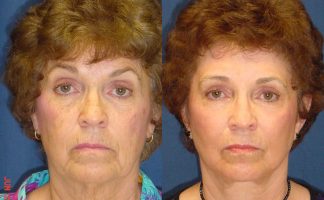
Laser resurfacing of the skin is a method to make the skin of the face appear younger-looking. Generally speaking, the laser creates damage to the top layers of the skin, which has the immediate result of a tightening of the skin.
There are now many types of lasers on the market. While some may achieve superficial tightening, Dr. Rodriguez no longer performs laser resurfacing due to concerns about tissue damage. In his experience, certain lasers can affect the adipose stem cells and tissue matrix, leading to facial fat atrophy.
Over the past two decades, patients have sought treatment from him after experiencing complications from various laser procedures performed elsewhere.
What problems does Laser skin resurfacing address?
Laser skin resurfacing is typically used to address the following concerns:
- superficial fine lines
- moderate wrinkles
What is the patient satisfaction rate of lasers?
My clinical experience is that only "a majority" of patients have favorable results in which the patient is happy. The other 25% either see no results, or unfavorable results.
Dr. Rodriguez stopped offering laser resurfacing over 2 decades ago because he felt that a “majority” satisfaction rate wasn’t acceptable. While technology has evolved, he still does not consider lasers a reliable option for facial rejuvenation.
FDA Advisory
In October 2025, the FDA issued a safety communication about serious complications associated with certain radiofrequency microneedling devices including facial fat loss, scarring, and nerve damage.
While laser devices are not the direct focus of this notice, both laser and RF treatments use energy-based approaches that can affect deeper tissues. Dr. Rodriguez has been raising similar concerns for over two decades. His approach to facial rejuvenation emphasizes regenerative methods that protect facial structure and support tissue health, rather than damage.
Can laser skin resurfacing create fat atrophy or fat loss in my face?
Yes. In Dr. Rodriguez’s experience, laser treatments can lead to facial fat loss in some patients. Over the years, he has treated many individuals who experienced visible volume loss after undergoing laser procedures elsewhere.
Although the exact mechanism isn’t fully understood, one likely explanation is apoptosis (or programmed cell death). When energy-based devices damage tissue, they can trigger inflammatory signals known as DAMPs (Damage-Associated Molecular Patterns). These signals may initiate a delayed process where fat cells gradually die off, continuing for weeks or even months after treatment.
To learn more about how energy-based treatments can lead to gradual fat loss, read Dr. Rodriguez's 2016 article: Why Laser Resurfacing Can Cause Facial Fat Loss. Be sure to read through the comments and replies there, too. There's a wealth of patient experiences and detailed answers from Dr. Rodriguez himself.
Is there an alternative treatment to Laser skin resurfacing?
What can I do for sun damaged skin and fine facial wrinkles?
Yes. For long-term facial rejuvenation, Dr. Rodriguez prefers fat grafting, a regenerative technique that uses your own fat to restore volume and improve skin quality.
Unlike lasers, which work by creating controlled damage, fat grafting supports the skin from within. The stem cells naturally present in adipose tissue (your own fat) help stimulate repair, promote new blood vessel formation, and improve overall skin tone and texture, without destroying surrounding tissue. And, this technique can be used on its own or combined with other facial procedures.
Dr. Rodriguez stopped offering laser resurfacing over 2 decades ago after seeing how certain lasers affected deeper tissue structures. Since then, he has focused on regenerative techniques that build and support healthy skin rather than destroy it. Learn more about why he prefers fat grafting vs. laser resurfacing.
Over the years, patients from around the world have sought his expertise to address complications caused by laser treatments performed elsewhere. In many of these cases, fat grafting has been an effective solution for restoring lost volume and improving skin quality. He believes that fat grafting can help the vast majority of these patients.
If you've experienced volume loss after laser treatment, we may be able to help. Contact us.
How is Laser skin resurfacing performed?
Anesthesia
Laser resurfacing procedures vary by device type. CO2 lasers typically require IV or general anesthesia, while Erbium lasers, which penetrate less deeply, are sometimes performed under local anesthesia with sedation.
How Laser Resurfacing Works
Laser energy is used to vaporize the top layers of skin in a controlled pattern. Erbium lasers are usually limited to the epidermis, while CO2 lasers can reach into deeper dermal layers.
As the skin heals, damaged tissue sheds and new skin forms in its place. The intended goal is to stimulate collagen production and improve surface texture through this controlled injury process.
What are the preoperative requirements?
 Before undergoing laser resurfacing, patients are typically advised to:
- Stop taking aspirin and ibuprofen 2 weeks before surgery
- Stop smoking at least 4 weeks before surgery
- CONSIDER doing fat grafting instead of laser resurfacing!
However, Dr. Rodriguez no longer offers laser resurfacing. For patients seeking facial rejuvenation, he recommends considering fat grafting as a regenerative alternative.
What is the Laser skin resurfacing Post-Op recovery like?
The skin must be protected during the healing period by applying ointments every few hours. Redness of the skin may persist anywhere from a few weeks to a couple of months. >Sun protection is essential following the procedure, as the skin is especially vulnerable to UV damage during this time.
Follow your surgeon's specific instructions depending on what type of laser was used.
What are the risks and possible complications?
 Complications and risks of Laser skin resurfacing include:
- Burns
- Scarring
- Changes in skin pigmentation
- Infection
- Facial fat loss*
*Dr. Rodriguez has treated many patients who experienced facial fat loss following laser treatments performed elsewhere. In these cases, fat grafting has been an effective solution for restoring volume and improving tissue quality.
How much does Laser skin resurfacing cost?
Laser resurfacing prices vary quite a bit depending on the type of laser used and the extent of treatment. Costs can also differ based on whether the procedure is performed in-office or in an operating room.
Because Dr. Rodriguez no longer offers laser resurfacing, we do not provide pricing for this procedure. For patients interested in long-term facial rejuvenation, we recommend exploring fat grafting as an alternative. Contact our office to learn more or to schedule a consultation.
Dr. Rodriguez: A Leader in Regenerative Facial Rejuvenation
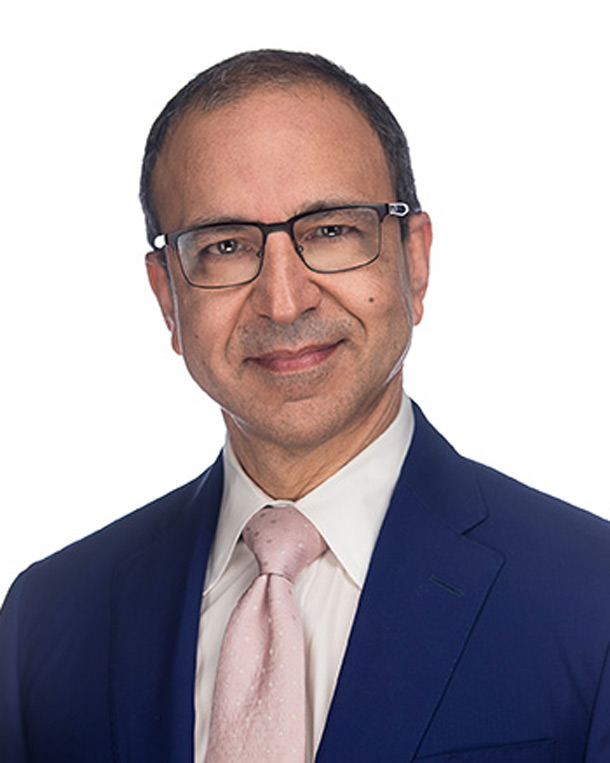 Dr. Ricardo Rodriguez is a board-certified plastic surgeon with over 30 years of experience and a pioneer in the use of fat grafting for facial rejuvenation. He’s performed thousands of facial procedures and has been studying the regenerative effects of adipose-derived stem cells for more than two decades, both in the operating room and in the lab.
While many practices continue to use energy-based devices, Dr. Rodriguez focuses on regenerative solutions that protect and restore, not destroy.
Patients from around the world seek his expertise, especially after experiencing complications from laser or RF treatments performed elsewhere.
Our Quad A-accredited facility ensures the highest level of safety, using IV anesthesia with Board-Certified Anesthesiologists. This technique avoids the need for a ventilator, reduces the risk of complications like pulmonary embolism, and supports a smoother recovery with less nausea and discomfort.
All patients receive direct access to Dr. Rodriguez’s cell phone post-surgery for personalized care and support. He is fluent in English, Spanish, and French helping patients of all backgrounds feel comfortable and understood throughout their surgical journey.
Dr. Rodriguez is the master of facial fat grafting! Thank you.
Harry A.
Ready to explore what's possible?
Together, we'll find the safest, most effective way to help you look and feel your best,
 Modified on |
Board Certified Plastic Surgery, ASPS Member
NOTICE
Patients depicted in our before and after galleries have provided their written consent to display their photos online. Every patient is unique, and surgical results may vary. Please contact us if you have any questions.